
Every Couple Tells Me 'We're Just Busy.' None of Them Mean It.

I've sat across from probably sixty couples over the past few years, notebook open, asking some version of the same question: what happened to the two of you? And almost every time, the first answer is the same. We're just busy. Work got intense. The kids' schedules got complicated. Somebody started a new job. I used to write that down and move on. I don't anymore, because it's rarely the actual answer — it's the answer that doesn't require anyone to admit anything harder.
Here's what I believe instead, and I'll defend it: couples who feel distant don't have a time problem. They have a default problem. They have no shared, repeatable thing they reach for when the week goes sideways — so when it does go sideways, which is most weeks, nothing happens. Not because they didn't care enough to schedule something. Because there was nothing standing ready to be scheduled.
The Couples Who Feel Close Aren't Less Busy
I want to be specific about this, because it's the part people resist. I've interviewed couples working eleven-hour days, couples with three kids under seven, couples in the thick of a business launch — and some of them feel closer than couples with wide-open calendars and no kids at all. The busy ones aren't hiding some secret reserve of free time. What they have is a ritual with the friction already removed. It's decided in advance, it doesn't require negotiation each time, and it's specific enough that neither person has to think about it.
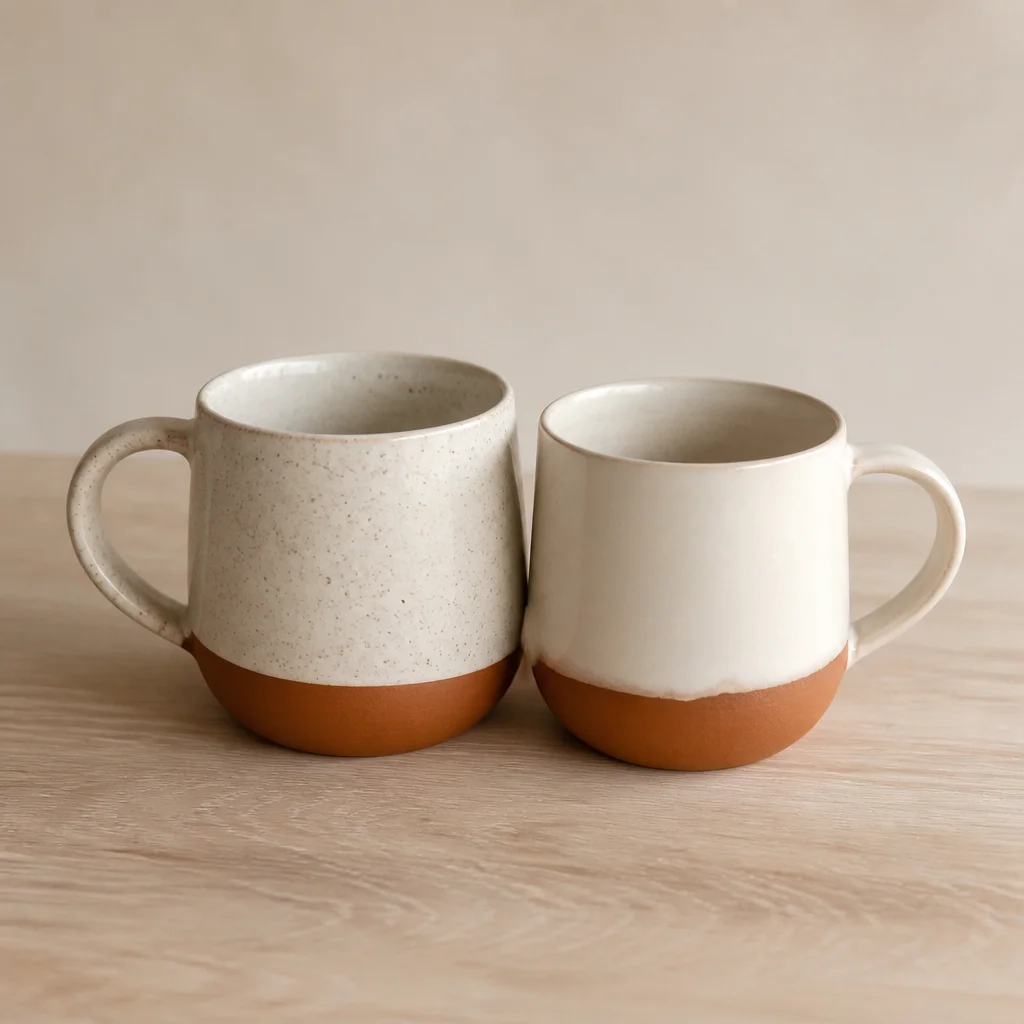
One couple I talked to last spring, Priya and Marcus, both work in healthcare — rotating shifts, unpredictable overtime, the kind of schedule that makes 'let's plan date night' a small joke between them. What they actually do is smaller than a date night. Every Sunday, whichever one of them is home first makes two cups of tea and puts them on the counter. That's the whole signal. Whoever sees the tea knows to sit down for fifteen minutes, no phones, before anything else happens that day. Marcus told me it took them almost a year of half-hearted 'we should talk more' attempts before they landed on something this small and this dumb and this reliable. The tea isn't the point. The fifteen minutes it buys them is.
Why 'Let's Spend More Quality Time Together' Never Works
I'll say the thing I say to almost every couple who brings me this exact sentence: it's not an action, it's a feeling wearing the costume of an action. Nobody executes on 'spend more quality time.' It has no day attached, no duration, no trigger that reminds you it's happening. It sits in the same drawer as 'we should communicate better' — true, agreeable, and completely unusable on a Tuesday night when you're both exhausted and the dishes aren't done.
What I ask couples to do instead is translate the vague intention into one specific, doable thing with three properties: it happens on a fixed cadence, it takes under twenty minutes, and it needs zero planning once it's set. Not 'we'll go on more dates' — every Thursday, after the kids are down, we split a beer on the back steps for ten minutes before we touch our phones. That's a ritual. It survives a bad week because it doesn't ask anything extra of a bad week.
The Test for a Real Ritual
The Honest Counterpoint: Won't a Ritual Get Stale?
I get pushback on this constantly, and it's fair pushback. If the whole idea is repetition, doesn't the ritual eventually go flat — turn into just another chore on the list, the relationship equivalent of taking out the recycling? I've watched it happen. A couple I spoke with in the fall had a standing Friday breakfast that had quietly become something they both dreaded, because neither of them had admitted the actual conversation they were avoiding was bigger than breakfast could hold.
But notice what failed there — it wasn't the ritual, it was that the ritual had become a substitute for something the couple needed to address directly, and no amount of ten-minute check-ins fixes an unresolved argument. A ritual isn't there to repair a relationship that's actually struggling underneath; it's there to give a healthy connection a place to land on an ordinary week. If the ritual feels like dread instead of relief, that's information worth listening to on its own — not a reason to abandon the concept of a ritual altogether. Most of the staleness I've seen isn't the format wearing out. It's a couple treating the ritual as decoration instead of protecting the fifteen minutes it was built to hold.
Building One This Week
I don't think this needs to be complicated, and I actively distrust advice that makes it complicated. Pick a trigger you already hit daily or weekly — coffee, the drive home, the kids going to bed, Sunday morning. Attach ten to fifteen minutes to it. Name it, even something as small as Priya and Marcus's tea, so it has a handle you can both refer to instead of re-negotiating it from scratch every time. Then protect it for three weeks before you judge whether it's working. Most couples I've followed up with abandon a good ritual in week two because it felt like nothing special happened — and that's exactly what a sustainable ritual is supposed to feel like.
If you want the fuller diagnostic — whether the gap you're feeling is actually about time at all, or something else entirely — that's really the question our guide on Are We Spending Enough Quality Time Together? Signs & Fixes is built to answer. What I'm arguing here is narrower and, I think, more useful for a Tuesday: stop waiting for a free evening to magically appear. Build the fifteen minutes that doesn't need one.
Related Articles


More by Hannah Lim →