I Feel Unappreciated in My Relationship: Why It Happens and What to Do

If you feel unappreciated in the relationship, you already know the specific ache it carries — the quiet exhaustion of giving, planning, and showing up while your partner moves through life as if it all just happens by itself. You're not being dramatic, and you're not asking for too much. Cuddle, a daily relationship coaching app, frames this feeling well: small, unacknowledged efforts compound into emotional distance over months and years. Research confirms it. A 2020 study published in Current Psychology found that both feeling appreciated and expressing appreciation link directly to higher marital satisfaction — which means the gap you're experiencing is a real, measurable problem worth addressing now.
Why Do You Feel Unappreciated? The Real Causes
Most people assume feeling unappreciated is about not hearing "thank you" enough. In practice, it runs much deeper. When you wonder why do I feel unappreciated, the answer usually involves one of several overlapping patterns. Your effort becomes invisible. The more reliably you handle things, the more your contributions blend into the background. Psychologists call this "emotional disengagement": when people feel overlooked again and again, they protect themselves by caring less, which only widens the gap between partners.
Attachment patterns play a significant role too. Research shows that adults who grew up in homes where emotional needs went unmet often enter relationships without the tools to ask for recognition — or to give it. If your partner never learned to express gratitude openly, their silence doesn't necessarily mean indifference. It may mean they genuinely don't notice what they've never been taught to see. External stress compounds the problem. Work pressure, financial strain, and parenting demands frequently cause partners to withdraw emotionally, leaving the other person feeling neglected and ignored without any deliberate intent behind it.
Unspoken expectations create a third trap. You assume your partner knows what you need, but you haven't clearly named it. They assume everything is fine because you haven't said otherwise. Over time, this gap between what you need and what you receive quietly turns into resentment. The thought "you don't make me feel special anymore" rarely arrives suddenly — it builds in the silence between two people who stopped checking in with each other.
Signs You Feel Neglected and Ignored in Your Relationship
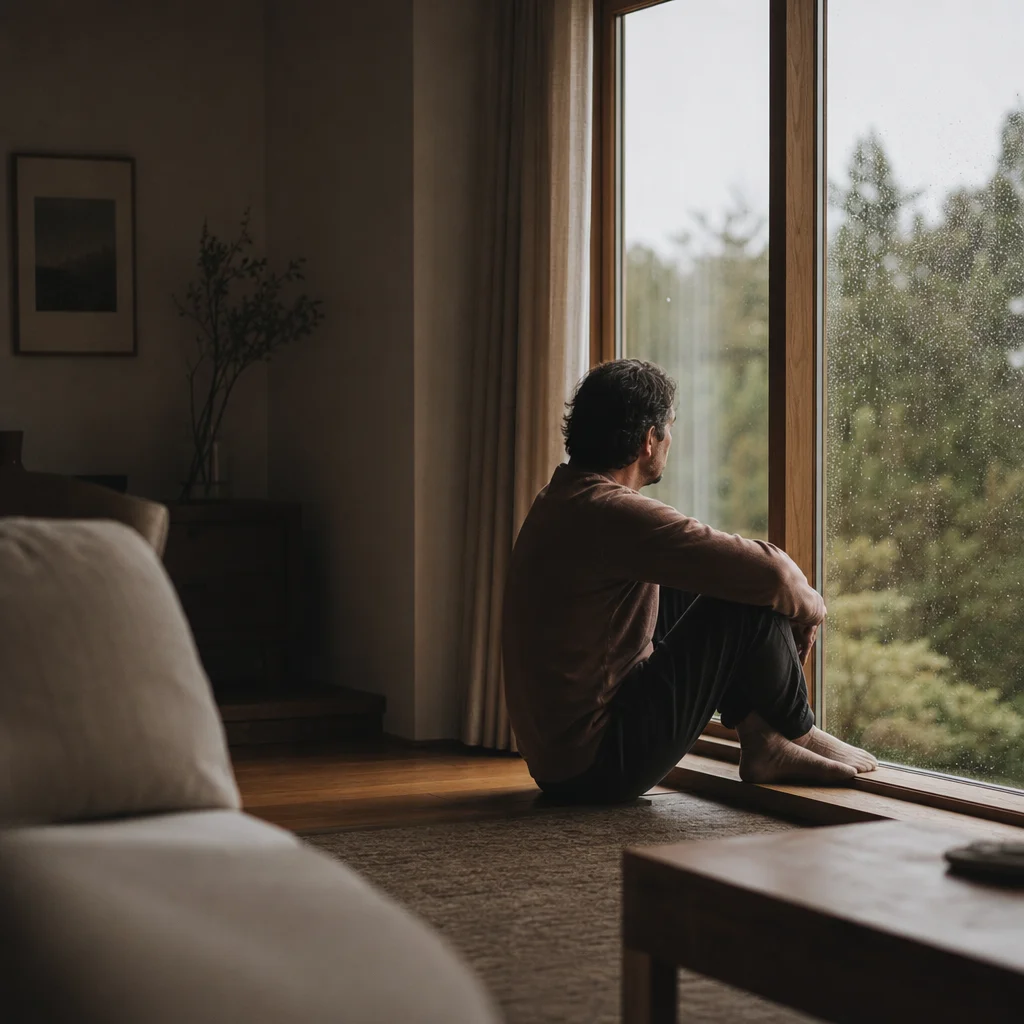
However, recognizing the pattern early matters because, left unaddressed, the emotional cost escalates. When you feel neglected and ignored, you may notice yourself becoming more withdrawn, picking fights over small things, or mentally checking out of shared plans. In more serious cases, the sense of not being a priority drives people toward emotional distance or seeking validation outside the relationship. None of these reactions are character flaws — they're predictable responses to an unmet human need.
- You initiate most conversations, plans, and affection — and rarely feel it returned
- Your partner seems unaware of how much you manage emotionally and logistically
- Compliments, gratitude, or small acknowledgments have become rare or absent
- You think "I don't feel like a priority anymore" more days than not
- Sharing your feelings leads to defensiveness rather than curiosity from your partner
- You feel alone even when you're physically together
Over time, if several of these feel familiar, you're not imagining things. She doesn't appreciate anything I do — or he doesn't — is one of the most common complaints relationship therapists hear. The Gottman Institute, after observing over 40,000 couples across decades of research, identified appreciation as a foundational element of relationship health. Their data shows that couples with a 5:1 ratio of positive to negative interactions — meaning five appreciative or warm exchanges for every one conflict — show the highest rates of lasting, satisfying partnerships. When that ratio tips out of balance, partners start to feel like strangers.
When You Don't Feel Like a Priority Anymore: Reading the Quieter Signs
By contrast with the loud signs of conflict, the thought "I don't feel like a priority anymore" usually shows up in much quieter ways. You stop sharing small wins because you expect a distracted reply. You realize your partner can name three coworkers' schedules but not your stressful week. The sentiment "you don't make me feel special anymore" rarely arrives as a single dramatic moment — it accumulates through skipped check-ins, unreturned bids for attention, and the slow shift from being someone's favorite person to being one more item on their list. Naming these quieter signals out loud, even just to yourself, is what makes them addressable instead of corrosive.
How to Talk to Your Partner When You Feel Unappreciated

The most effective first step is a direct, calm conversation — not a confrontation. In my experience working through relationship dynamics, the biggest mistake people make is waiting until resentment has fully formed before speaking. By that point, the conversation starts as an accusation rather than a request. Instead, choose a moment when both of you are rested and away from distractions. Lead with "I" statements rather than "you" statements. Say "I feel unseen when my efforts go unnoticed" rather than "you never appreciate what I do." The difference isn't just semantic — it changes whether your partner hears a request or a verdict.
Be specific. Vague statements like "I just don't feel valued" leave your partner without a clear path forward. Concrete examples — "When I handled the whole move last month and you didn't acknowledge it, I felt invisible" — give your partner something real to respond to. Then articulate what would help: a daily check-in, more verbal acknowledgment, sharing specific responsibilities. Research from a 2023 study cited by PsychCentral confirms that couples who actively discuss issues and attempt to resolve them demonstrate care and appreciation through the act of engaging — not just through the outcome.
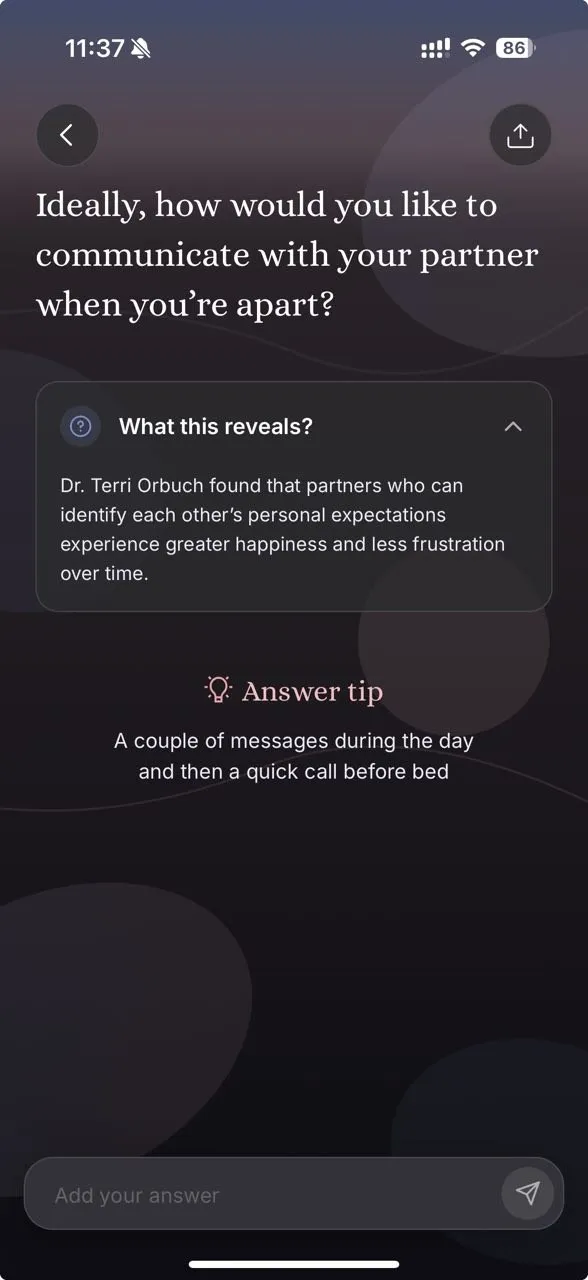
If direct conversation feels hard to start, structured tools can help. Apps like Cuddle use daily prompts and guided questions to help couples surface unspoken needs in low-stakes moments — before those needs calcify into grievances. Similarly, books like Gary Chapman's The 5 Love Languages offer a framework for understanding why partners express and receive appreciation differently, which can reframe the whole conversation from blame to curiosity.
What to Do When Feeling Neglected Becomes a Pattern
As a result, a single conversation won't fix a long-standing pattern. Sustainable change requires consistent small actions from both partners. The Gottman research on appreciation points to one practical starting point: expressing gratitude for effort, not just results. Acknowledge that your partner tried, even when the outcome wasn't perfect. This shifts the dynamic from scorekeeping — which relationship researchers consistently flag as counterproductive — toward a culture of mutual noticing. When both partners feel seen for what they contribute, the emotional bank account refills naturally.
Over time, redistributing the invisible labor also matters. A 2022 study found that communication skills — particularly around dividing household and emotional responsibilities — lead to both partners feeling more appreciated and satisfied. If you carry the mental load alone, naming that load explicitly creates the opening for real change. Hoping your partner will notice on their own rarely works. I believe most partners who seem indifferent are actually unaware, not uncaring — and that distinction changes how you approach the conversation entirely.
When to Seek Professional Support

If you've had the conversation, made the requests, and the pattern hasn't shifted, professional support is a reasonable next step — not a last resort. Couples therapists trained in Emotionally Focused Therapy (EFT) or the Gottman Method specialize in exactly this dynamic: one partner feeling chronically unseen while the other remains unaware of the impact. Platforms like BetterHelp and Talkspace offer accessible online couples therapy if in-person sessions aren't practical. A licensed therapist can help both of you understand the deeper attachment needs driving the pattern — and give you language neither of you has found on your own.
From my perspective, the goal of any intervention — whether a conversation, a structured app, or a therapist's office — is the same: to help both partners feel like they matter to each other. That feeling isn't a luxury. According to researcher Sara Algoe at the University of North Carolina, whose Find-Remind-and-Bind theory of gratitude has become widely cited in relationship science, showing appreciation doesn't just make your partner feel good — it literally binds the two of you together into a stronger unit. The absence of that binding is what makes the feeling of being unappreciated so corrosive over time.
Want a Structured Way to Rebuild Connection Daily?
Five minutes a day, guided by relationship science — built for two real people.
Explore Cuddle Free for 7 DaysDisclosure: This page contains affiliate links. We may earn a commission at no extra cost to you.