Intimacy in Marriage: How to Keep the Spark Alive

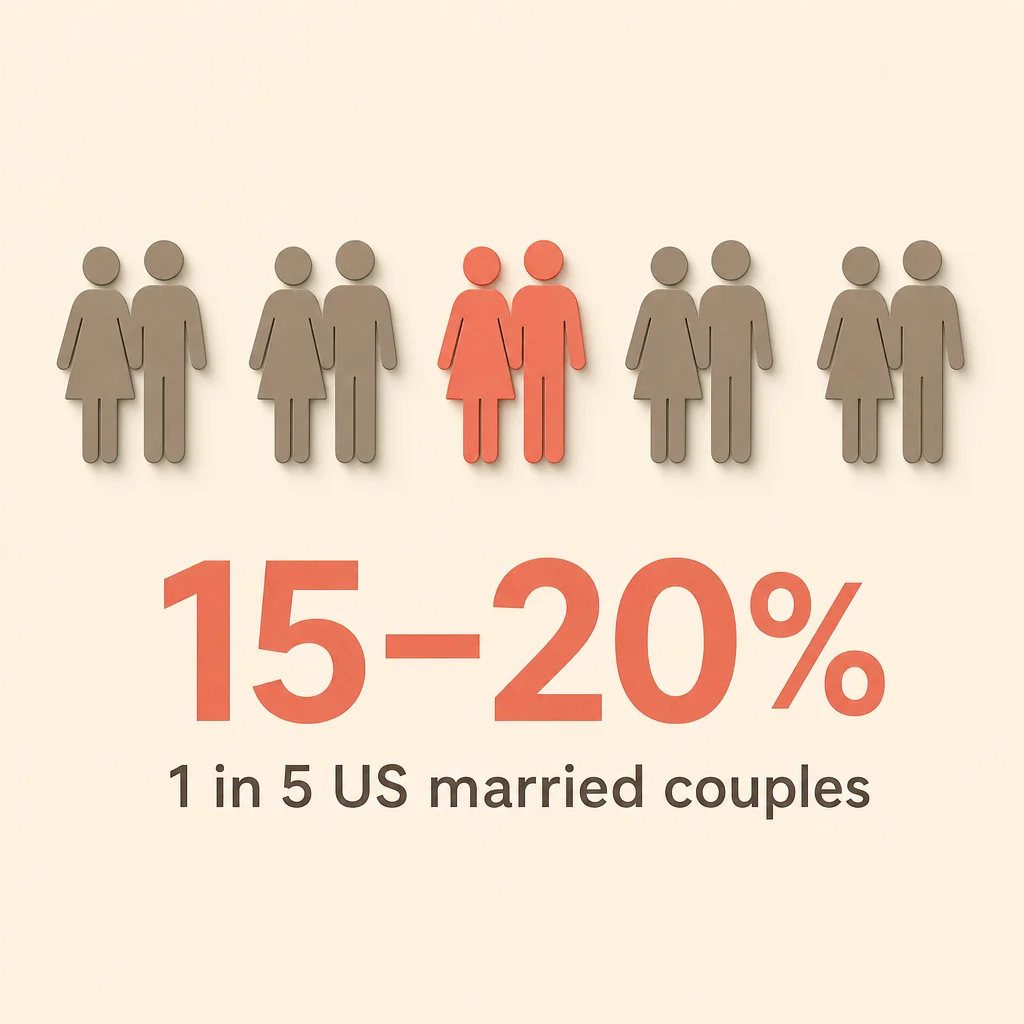
Intimacy in marriage is one of the strongest predictors of long-term relationship satisfaction — yet 45% of married couples say their intimacy has declined over the past five years. That's not a character flaw or a sign love has run its course. It's a pattern I've seen play out in research, in conversations with couples, and in my own experience studying relationship science: connection fades when it stops being intentional. This guide breaks down what intimacy in a relationship actually means, the different types of intimacy worth nurturing, why the spark dims, and the most practical marriage intimacy tips to rebuild it — whether you're newly married or decades in. If you want a structured daily habit to support the work, Cuddle is one app worth exploring alongside the strategies below.
What Is Intimacy in a Relationship — and Why It's More Than Sex
Most people hear "intimacy" and picture physical closeness. But what is intimacy in a relationship, really? Intimacy is the emotional closeness that comes from sharing private thoughts. Psychologist Robert Sternberg's triangular theory of love places intimacy alongside passion and commitment as one of the three pillars that sustain long-term love. Researchers have found that intimacy consists of two core elements: self-disclosure and empathy. Partners need to feel comfortable enough with each other to tolerate the vulnerability that comes with being honest about their wants, needs, desires, and fantasies. When both elements are present, couples don't just co-exist — they feel genuinely known.
More often than not, when we think of intimacy, we think of sex. But intimacy is so much more than sexual experiences. Research from 2019 indicates that intimacy serves as "a fundamental component of healthy relationships and promotes mental and physical health." Understanding the full scope of intimacy is the first step to improving it — because you can't strengthen something you haven't clearly defined.
The Different Types of Intimacy Every Marriage Needs
The different types of intimacy in a marriage work together like instruments in a band — each one matters, and when one goes silent, the whole arrangement sounds off. Each type of intimacy in a relationship plays a distinct role. To strengthen your relationships, you may want to work on four core types of intimacy: physical, emotional, intellectual, and spiritual closeness. Physical intimacy meaning extends well beyond sex: physical intimacy isn't just about what happens between the sheets — it includes all types of nonsexual touch, too, including cuddling, hugging, kissing, and even just snuggling next to each other on the couch. When couples only use physical affection as a prelude to sex, touch starts to feel transactional rather than connecting.
Emotional intimacy — the ability to share fears, joys, and disappointments without judgment — is the form that most directly predicts relationship longevity. Emotional intimacy scores predict 69% of marital stability variance. Intellectual intimacy, built through genuine curiosity about your partner's inner world, and spiritual intimacy, which involves sharing values and a sense of shared meaning, round out the picture. The more types of intimacy you share with someone, the closer you might feel overall. While a romantic relationship doesn't necessarily need all of these types of intimacy to be successful, many thriving relationships have established multiple forms of intimacy.
Why Intimacy Fades: The Real Reasons Behind No Intimacy in Marriage
If you've noticed no intimacy in marriage creeping in, you're not alone — and it's rarely anyone's fault. In the first year of marriage, couples report being intimate about seven times per month. By year ten, that number drops to just one to two times per month. But physical frequency tells only part of the story. One in three married people say they feel emotionally distant from their partner at least sometimes. Common reasons cited include lack of communication, routine fatigue, and feeling unappreciated. When partners stop asking real questions and default to logistics — schedules, bills, kids — emotional distance quietly compounds.
Desire mismatches also play a significant role. Many couples describe the experience of one partner never initiating intimacy, while the other feels perpetually rejected. Left unaddressed, this cycle erodes both partners' sense of desirability and connection. Frequency alone tells an incomplete story. The research on satisfaction reveals something far more nuanced — and far more encouraging for couples who feel pressure about 'keeping up.' What matters most isn't how often you connect. It's how present and genuine that connection feels when it happens.
How to Improve Emotional Intimacy: Evidence-Based Strategies
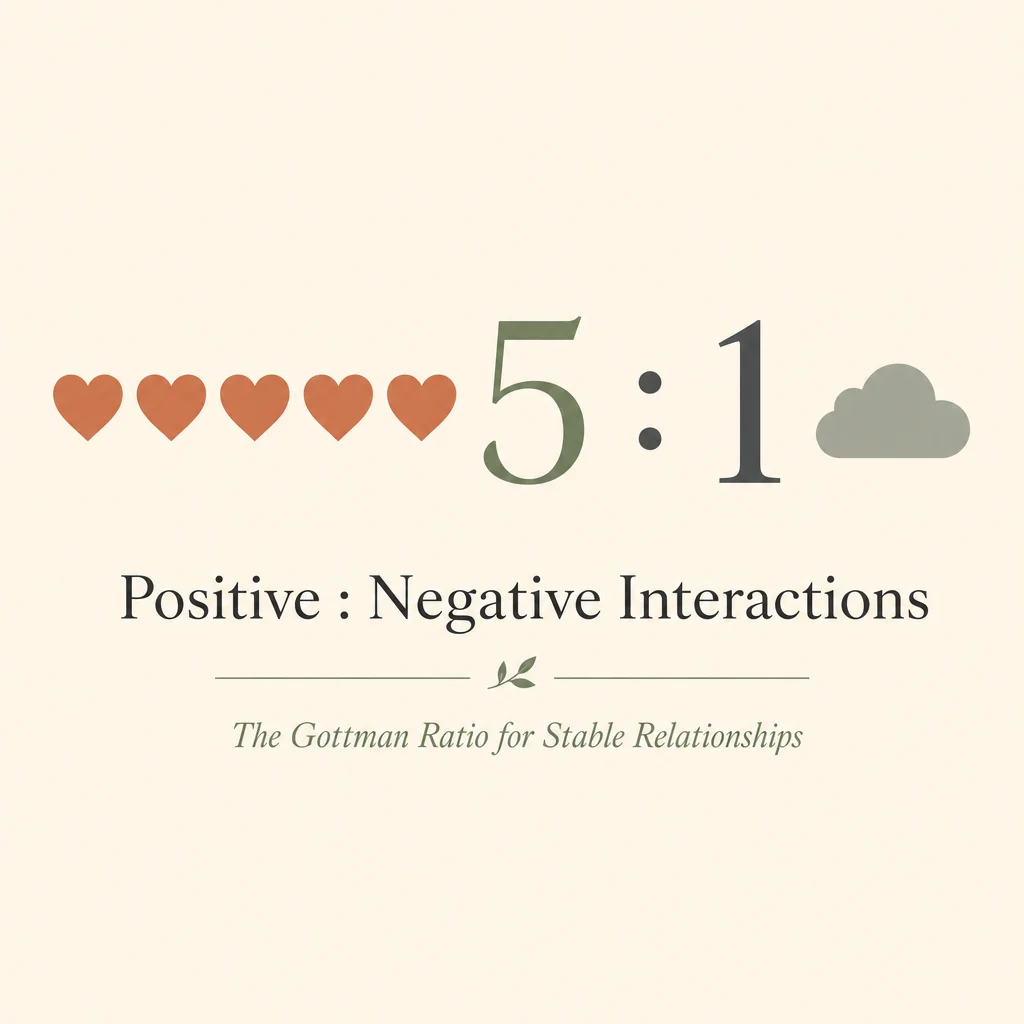
Learning how to improve emotional intimacy starts with understanding what the Gottman Method — one of the most research-backed frameworks in couples science — calls "turning toward" your partner. Small, consistent efforts build a strong emotional bank account that helps couples weather challenges. Relationships thrive when partners feel seen, valued, and supported. In practice, this means responding to bids for connection: putting the phone down when your partner speaks, asking follow-up questions, and expressing appreciation specifically rather than generically. The Gottman Institute's most replicated finding: stable, happy couples maintain at least five positive interactions for every one negative interaction.
Intimacy questions for couples are another powerful tool. Research-backed questions — the kind that move past "how was your day?" into territory like "What's something you've been afraid to tell me?" or "What do you need more of from me right now?" — activate the self-disclosure loop that builds genuine closeness. Research from the Gottman Institute reveals that emotional intimacy is one of the strongest predictors of sexual satisfaction in long-term relationships. Couples who report higher levels of emotional connection are more likely to maintain passion and physical closeness. Emotional and physical intimacy in relationship aren't competing forces — they amplify each other. If you want a structured way to practice this kind of daily connection, Cuddle's Daily Questions and Relationship Assistant offer guided prompts built on the same research frameworks.
When to Seek Intimacy Therapy or Couples Counseling
Some intimacy gaps respond well to daily habits and intentional conversation. Others signal something deeper that benefits from professional support. Intimacy therapy — also called intimacy counseling or couples sex therapy — helps partners uncover the roots of disconnection. Those roots may lie in attachment wounds, communication patterns, libido mismatches, or unresolved conflict. Many couples wait an average of six years before seeking counseling, often believing they can handle things on their own. That gap is costly. The longer patterns calcify, the more work it takes to shift them. Research published in the journal Family Process shows that the average person receiving couples therapy is better off at the end of treatment than 70 to 80 percent of individuals who do not participate in therapy.
You don't need to be in crisis to benefit from intimacy counseling. Couples in healthy relationships may seek counseling to increase intimacy or find new ways to connect with each other emotionally. Platforms like BetterHelp connect couples with licensed therapists online. The Gottman Institute offers both therapist referrals and self-guided digital programs. For couples who want structured between-session practice — or who aren't ready for formal therapy — daily relationship apps and self-guided courses can bridge the gap meaningfully.

Practical Marriage Intimacy Tips You Can Start This Week
The most effective marriage intimacy tips share one quality: they're small enough to do consistently. Grand gestures matter less than daily micro-investments. Couples who have regular date nights report 35% higher intimacy levels. But a date night doesn't have to mean a restaurant reservation — it can mean 20 minutes of uninterrupted conversation after the kids are in bed, a shared question answered in writing, or a walk without phones. The Gottman Method introduces the concept of "rituals of connection" — structured times to talk and listen to each other. These rituals don't require perfection; they require repetition.
- Ask one meaningful question each day — not about logistics, but about your partner's inner world
- Practice non-sexual physical touch daily: a hug at the door, a hand on the shoulder, a longer-than-usual kiss
- Use 'I feel' language during conflict rather than 'you always' — it reduces defensiveness and opens dialogue
- Schedule a monthly relationship check-in to surface what's working and what needs attention
- Explore your attachment styles together — understanding your patterns explains a lot about how you each seek and avoid closeness
In my experience working through relationship research, the couples who sustain intimacy over decades aren't the ones who never fight or never drift — they're the ones who notice the drift early and turn back toward each other deliberately. Intimacy in marriage isn't a destination you reach once; it's a practice you return to, again and again, with curiosity rather than judgment. The forms of intimacy shift across life stages — what connected you at 28 may look different at 44 — and that evolution is healthy, not a failure. The goal isn't to recreate the early spark; it's to build something richer and more durable in its place.
Want a Daily Intimacy Practice for Two?
Five to ten minutes a day, guided by relationship science — built for couples who want to stay close.
Try Cuddle Free for 7 Days
Disclosure: This page contains affiliate links. We may earn a commission at no extra cost to you.