When There's a Lack of Respect in Our Relationship: Signs & How to Rebuild

About 65% of couples who eventually separate report that a persistent lack of respect — not conflict frequency — was the primary driver of their disconnection, according to research published by the Gottman Institute. If you feel like there's a lack of respect in our relationship, you're not imagining it, and you're not alone. Disrespect rarely announces itself loudly. It tends to arrive quietly — in eye-rolls, dismissals, and silences that stretch too long. Recognizing those patterns early is the first step toward changing them. If you want a structured way to start rebuilding connection daily, Cuddle is one option worth exploring alongside the strategies in this guide.
What Does a Lack of Respect Actually Look Like?
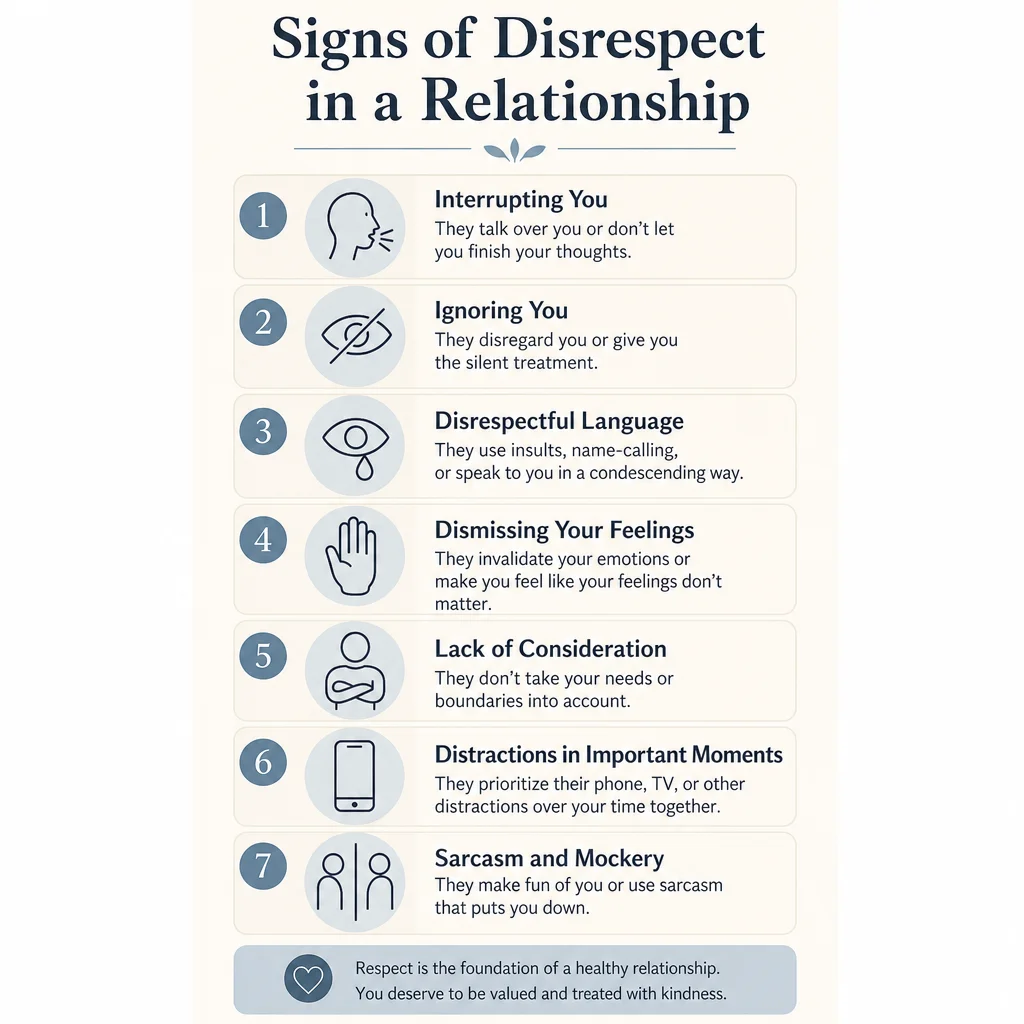
Respect in a relationship isn't a single behavior. It's a pattern of consistently treating your partner as someone whose feelings, time, and opinions matter. When that pattern breaks down, the signs are often more subtle than outright cruelty. In my experience working through relationship content and talking with couples, the earliest warning signs are almost always behavioral, not verbal. You start noticing the small things more intensely — and that irritation is data, not pettiness.
If you find yourself wondering why do small things my partner does irritate me so much, research offers a clear answer: micro-disrespects accumulate. Repeated interruptions, sarcasm, and broken agreements signal to your nervous system that you're not safe or valued in this space. According to couples therapy research, even three or more interruptions in a single ten-minute conversation registers as a measurable disrespect signal. Over time, those micro-moments compound into resentment. That resentment becomes emotional distance that feels impossible to bridge.
- Dismissing your opinions mid-sentence or talking over you consistently
- Using sarcasm or put-downs, especially in front of others
- Making major decisions that affect both of you without consulting you
- Stonewalling — going silent for more than 24 hours and refusing repair attempts
- Ignoring boundaries you've clearly communicated, then calling you oversensitive
- Failing to follow through on commitments repeatedly, showing the relationship lacks mutual effort
- Refusing to apologize after causing genuine hurt
Why Respect Erodes: When Trust Breaks Down Between Us
When she doesn't respect me or he doesn't show me any affection, the instinct is to ask "what did I do wrong?" But that framing misses the bigger picture. Respect erodes for reasons that are often systemic rather than personal. Stress, burnout, and untreated mental health challenges reduce empathy and patience in measurable ways. Learned patterns from earlier relationships or family environments can also normalize disrespect without either partner realizing it. And power imbalances — where one partner consistently dominates decisions — quietly teach both people that one voice matters more than the other.
There's also the trust dimension. When there's a lack of trust between us, respect tends to follow it downward. Trust and respect are interdependent. Once one partner starts hiding information, making unilateral choices, or withdrawing emotionally, the other partner's sense of safety erodes. That eroded safety then expresses itself as irritability, defensiveness, or emotional shutdown — behaviors that look like disrespect but are actually fear responses. Recognizing this cycle is critical. Treating the symptom (the behavior) without addressing the root (the broken trust) rarely produces lasting change.

How to Rebuild Respect: Research-Backed Steps
The research is clear: feeling respected by a partner is a stronger predictor of relationship satisfaction than feeling loved. That's a striking finding, and it reframes the entire repair process. Rebuilding respect doesn't start with grand gestures. It starts with the daily micro-decisions about how you speak, listen, and show up. Couples therapists who use the Gottman Method consistently emphasize that respect is re-established through behavior change, not declarations. You can't simply announce that you'll do better. You have to demonstrate it in accumulated small moments.
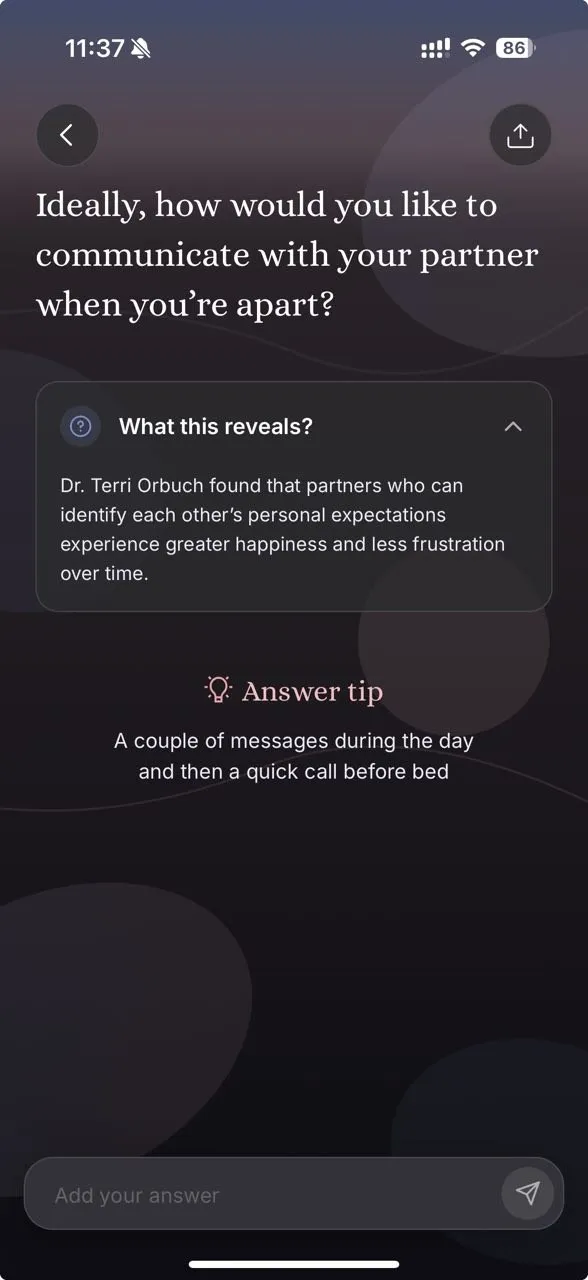
One of the most evidence-backed starting points is active listening — genuinely hearing what your partner says without formulating your rebuttal while they're still speaking. I tried this deliberately during a particularly tense period in a relationship I was in, and the shift in emotional temperature was immediate. It didn't resolve the underlying conflict overnight, but it signaled to my partner that their words mattered to me. That signal alone started rebuilding the safety that disrespect had eroded. Apps like Cuddle offer daily guided prompts and partner exercises that structure exactly this kind of practice — if you want a low-pressure way to build the habit without it feeling forced.
Beyond listening, couples therapists at practices like the Gottman Institute recommend two foundational principles for rebuilding respect: focus only on changing your own behavior, and resist the urge to police your partner's. The temptation to correct or call out every disrespectful act is understandable, but it typically escalates the very dynamic you're trying to exit. Instead, lead by example — treat your partner the way you want to be treated and give that shift time to create a new relational norm. Expressing genuine appreciation for small acts ("Thank you for handling that") is a concrete, low-stakes way to start that cycle.
Build the habit daily
When to Seek Professional Support
Some respect deficits run deep enough that self-directed repair strategies aren't sufficient. If the disrespect in your relationship includes contempt (consistent mockery, name-calling, or belittling), if there's a history of boundary violations, or if repeated attempts to communicate have ended in shutdown or escalation, a licensed couples therapist can provide the structured environment and professional tools that make real change possible. In my view, seeking therapy isn't a sign of failure — it's evidence that you take the relationship seriously enough to invest in it properly.

Emotionally Focused Therapy (EFT) and the Gottman Method are two of the most research-supported frameworks for exactly this kind of work. Both address the attachment wounds and communication breakdowns that sit underneath disrespectful behavior. Many couples also use daily relationship tools — like structured questions, shared exercises, or a conversational coaching companion — between therapy sessions to maintain momentum. The key is consistency: respect doesn't rebuild in a single conversation, but it does rebuild through dozens of small, intentional ones.
Want to Rebuild Connection Daily?
Cuddle offers guided daily exercises for couples — built on Gottman Method and EFT frameworks.
Try Cuddle Free for 7 DaysDisclosure: This page contains affiliate links. We may earn a commission at no extra cost to you.