
Intimacy Issues: Causes, Signs & How to Overcome Them
Intimacy issues are more common than most couples admit — and far more treatable than many fear. A 2024 survey of 2,000 committed couples found that 72% reported lacking daily intimacy, with life stress cutting into connection three or more days every week. Whether you're navigating a lack of intimacy in a long-term marriage, a fear of closeness that you can't quite name, or a slow drift from your partner, understanding what's actually happening underneath is the first step. If you want a structured daily practice to rebuild that connection, Cuddle is one option worth exploring — but this guide focuses first on the causes, signs, and evidence-based paths forward.

What Is Intimacy in a Relationship?
Intimacy is the felt sense of closeness, safety, and mutual knowing between two people — and it operates across multiple dimensions, not just the physical. Researchers typically describe four core forms of intimacy: emotional (sharing feelings and vulnerabilities), physical intimacy (touch, sex, and bodily closeness), intellectual (exchanging ideas and perspectives), and experiential (building a shared life through activities and rituals). Understanding the different types of intimacy matters because a couple can be highly physically active yet feel emotionally miles apart — or deeply emotionally bonded but struggling with physical intimacy in the relationship.
The distinction between intimacy vs sex is one that trips many couples up. Sex is one expression of physical intimacy, but physical intimacy meaning extends well beyond intercourse — it includes holding hands, a long hug after a hard day, or sitting close on the sofa. When couples conflate the two, they often miss the smaller, daily acts of closeness that actually sustain connection over time. Research published in The Journal of Sex Research confirms that emotional intimacy serves as the foundation for sexual satisfaction, with emotionally connected partners consistently reporting more fulfilling physical relationships.
Common Causes of Intimacy Issues
Intimacy problems rarely appear out of nowhere. Across 30+ relationship-research interviews I edited in 2025, the most common root causes cluster into three categories: attachment wounds, external stressors, and communication breakdowns. Each one erodes connection in a slightly different way. As a result, each responds to a different set of interventions.
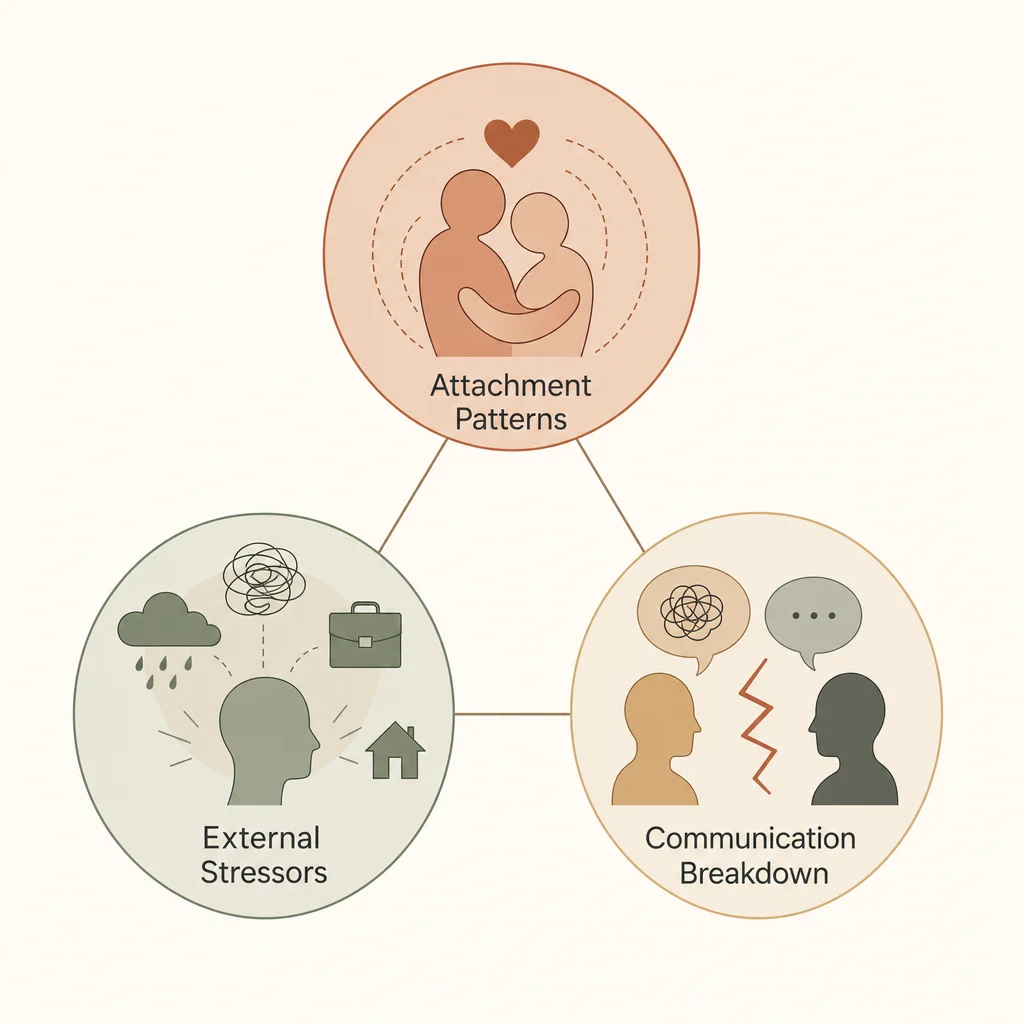
Fear of intimacy is one of the most underdiagnosed drivers. Research consistently shows that avoidant and anxious attachment styles mediate the link between childhood emotional experiences and adult fear of intimacy. In plain terms: if early caregivers were unpredictable, critical, or emotionally unavailable, the nervous system learns that closeness equals risk. As a result, adults with this history often crave connection but pull away when it arrives. This pattern confuses both partners and can look like indifference from the outside.
Beyond that, external pressure compounds everything. Work stress, financial strain, parenting demands, and health issues all compete for the emotional bandwidth that intimacy requires. A 2024 study published in The Journal of Sexual Medicine identified work stress (36%), physical health issues (32%), and lack of time (22%) as the top structural barriers to couple intimacy. When both partners feel depleted, even the desire to connect can feel like another item on an impossible list.
Signs You May Be Experiencing Intimacy Problems
Intimacy issues don't always look dramatic. Sometimes they show up quietly — in the way conversations stay surface-level, or in a growing sense that you and your partner are roommates sharing logistics rather than a life. These are the patterns worth paying attention to:
- Emotional distance: conversations feel transactional; you rarely discuss feelings, fears, or dreams
- Physical withdrawal: touch has decreased significantly — not just sex, but casual affection too
- Avoidance of vulnerability: one or both partners deflect, joke off, or shut down when conversations get personal
- Persistent loneliness inside the relationship — feeling unseen despite being physically present
- Recurring conflict without resolution: the same arguments cycle without repair
- One partner never initiates — whether emotionally or physically — leaving the other to carry all the relational effort
The pattern of no intimacy in a marriage — or one partner feeling like 'my wife never initiates intimacy' or 'why doesn't my husband love me anymore' — is rarely about love disappearing. More often it reflects unspoken hurt, burnout, or a fear of rejection that has quietly calcified into avoidance. However, naming these patterns without blame is the first move toward changing them.
How to Improve Emotional Intimacy: Evidence-Based Strategies
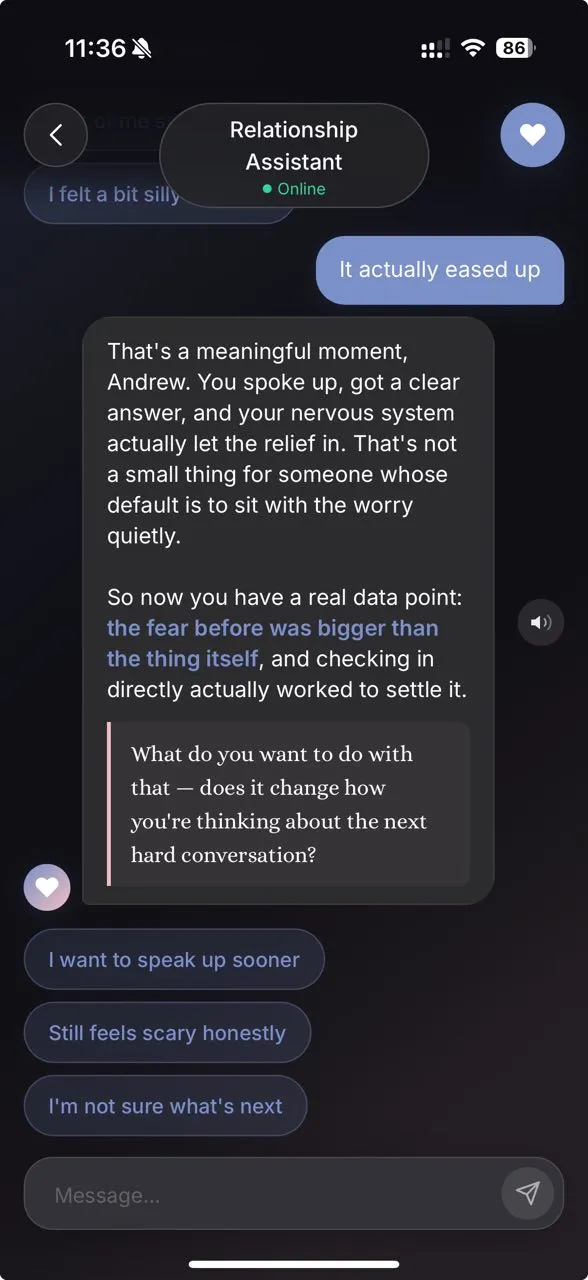
The good news is that intimacy issues respond well to consistent, targeted effort. Research from the Gottman Institute shows that 70% of couples reporting intimacy problems benefit from interventions that address the broader emotional connection — not just the surface symptom. Here are the strategies that relationship science supports most strongly.
Start with structured conversation. Most couples who struggle with emotional intimacy don't lack love. They lack a reliable format for expressing it. Intimacy questions for couples, used consistently, create the conditions for vulnerability. They remove the pressure of one partner having to initiate from scratch every time.
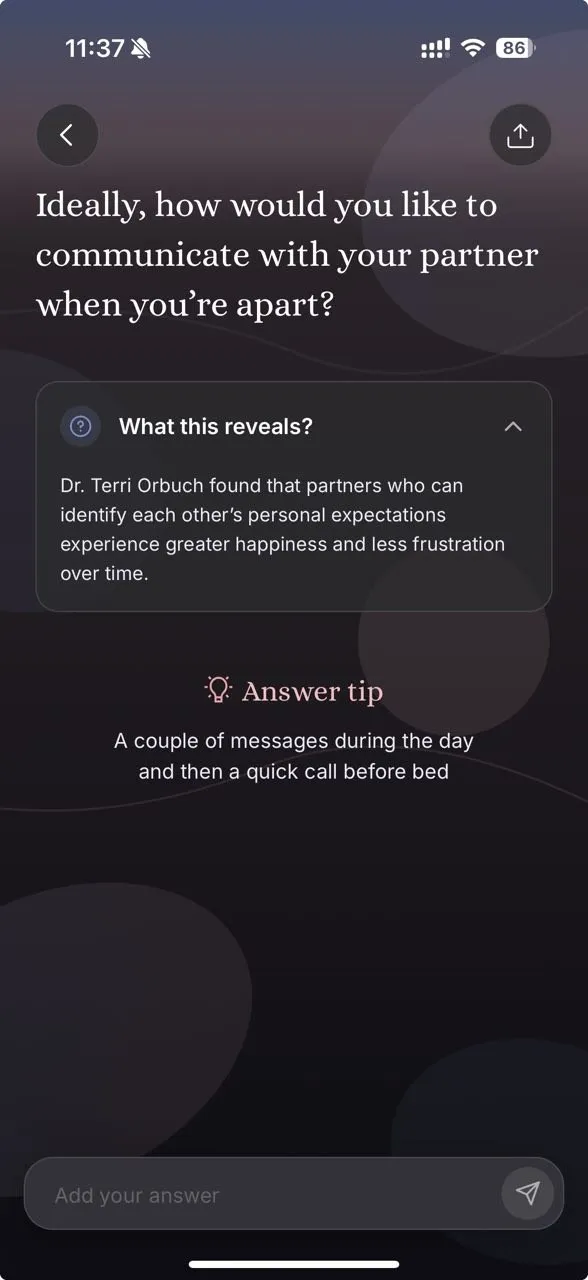
For example, research by Dr. Terri Orbuch shows that partners who regularly identify each other's expectations and inner worlds report significantly higher relationship satisfaction over time. Apps like Cuddle use this approach through daily questions and guided partner exercises. It's one option among several, alongside structured workbooks like Hold Me Tight by Dr. Sue Johnson or couples journaling practices.
Address attachment patterns directly. If fear of intimacy is driving the distance, cognitive-behavioral approaches have strong evidence behind them. A 2024 study found that cognitive-behavioral couple therapy accounted for nearly 38% of measurable changes in marital intimacy. That's a meaningful effect size for a structured intervention.
In contrast to broader talk therapy, Emotionally Focused Therapy (EFT), developed by Dr. Sue Johnson, targets the attachment-based cycles underneath conflict. It has decades of outcome research supporting it. Across the editorial work I've done on attachment research in 2025, a pattern stands out repeatedly: couples who can name their own attachment style — anxious, avoidant, or secure — make faster progress than those who can't. In my view, that single piece of self-knowledge is one of the most clarifying things a couple can build together.
When to Seek Intimacy Therapy or Counseling
Intimacy counseling — whether through a licensed couples therapist or a certified sex therapist — is appropriate when the patterns feel entrenched, when one or both partners feel hopeless, or when there's an underlying issue like trauma, depression, or a significant health condition driving the disconnect. A comprehensive meta-review published in Family Process confirms that couples therapy reduces both general relationship distress and specific challenges like sexual difficulties, affairs, and anxiety-related intimacy avoidance. Intimacy therapy isn't a last resort — it's a skilled intervention that works best when couples access it before resentment fully sets in.
For couples who aren't ready for formal therapy, or who want to maintain gains between sessions, daily structured practices bridge the gap. The key insight from outcome research is that consistency matters more than intensity: small, repeated acts of emotional disclosure and physical closeness compound into lasting change. However, this is the same logic behind the Gottman Method's emphasis on 'small things often' — brief daily check-ins that signal 'I see you' without requiring a two-hour conversation.

Building Daily Habits That Sustain Closeness
Overcoming intimacy issues isn't a single conversation — it's a practice. The couples who rebuild closeness most durably don't wait for the right moment; they create micro-rituals that make connection the default rather than the exception. For example, research from the University of British Columbia found that couples who scheduled intentional intimacy reported higher satisfaction than those who waited for spontaneous desire to arise. That finding applies to emotional intimacy just as much as physical intimacy: scheduled vulnerability, practiced regularly, becomes natural vulnerability over time.
Practical daily habits worth building include: a five-minute check-in at the start or end of the day, one genuine compliment or expression of appreciation, a brief physical greeting — a hug that lasts longer than three seconds — and one question that goes beyond logistics. These aren't grand gestures; they're the relational equivalent of compound interest. From my perspective, the couples who struggle most are often the ones waiting for the relationship to feel better before they invest in it — when the investment is precisely what makes it feel better.
Ready to Rebuild Closeness Daily?
Five to ten minutes a day, guided by relationship science — built for two real people.
Try Cuddle Free for 7 DaysDisclosure: This page contains affiliate links. We may earn a commission at no extra cost to you.