The Spirit of Intimacy: Emotional and Spiritual Connection Explained

Research shows that couples who actively cultivate the spirit of intimacy report significantly higher relationship satisfaction than those who focus on physical closeness alone. But what does intimacy actually mean — and why do so many couples struggle to define it, let alone build it? Cuddle is one app designed to help couples explore exactly this, through daily guided exercises rooted in relationship science. In this article, I'll walk you through the real intimacy definition, the different types of intimacy that matter most, and practical ways to deepen your bond — whether you're newly together or decades in.
What Is Intimacy? A Clear Intimacy Definition
Intimacy is a sense of closeness. It's the ability to trust, be vulnerable, and share your inner world with another person. Psychologists describe it as requiring three core ingredients: vulnerability, openness, and trust. It's not exclusive to romance. But in a committed relationship, it becomes the bond that holds two people together through conflict, change, and time. Most people hear the word and think of sex. In reality, what is intimacy in a relationship goes far deeper — it's about how safe you feel being fully yourself with your partner.
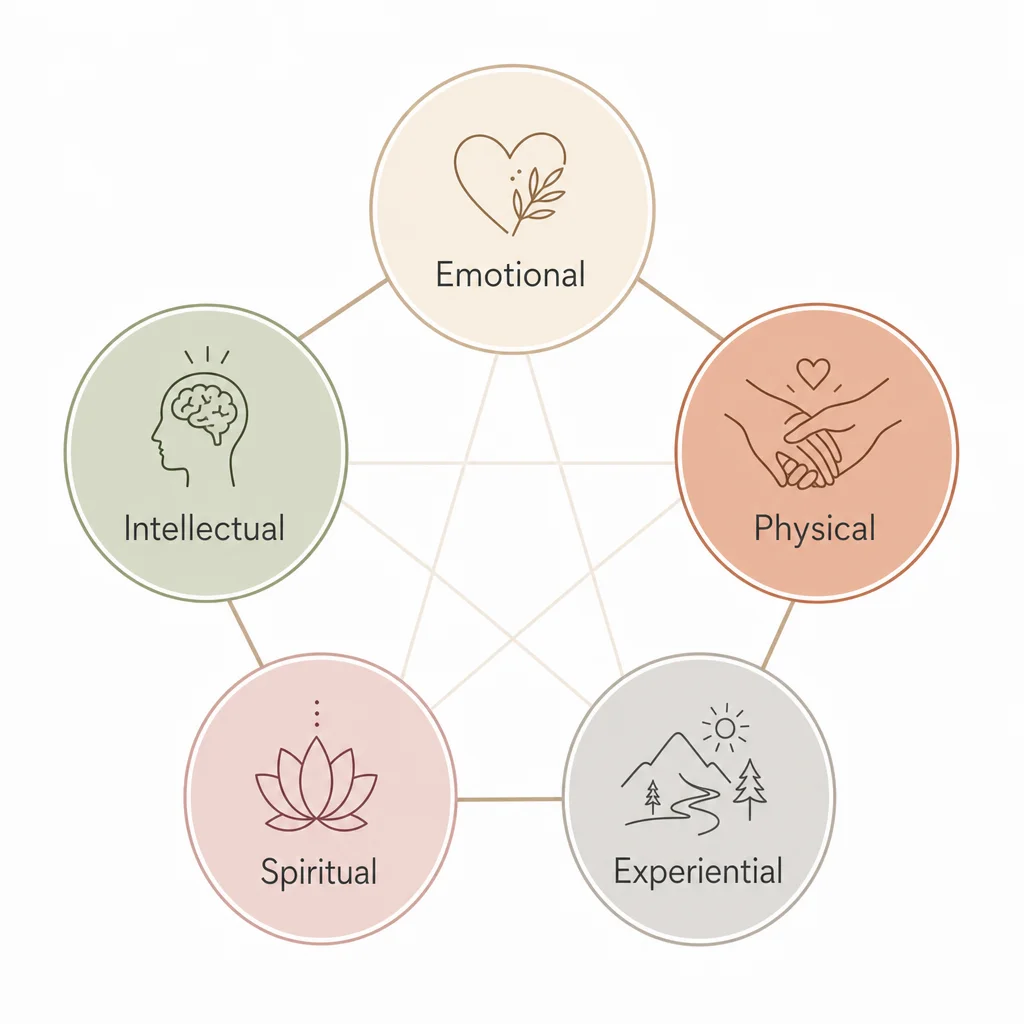
Researchers have consistently found that intimacy is multi-dimensional. It includes emotional, physical, intellectual, spiritual, and experiential dimensions. Neglecting any one of them can create distance over time. I find that most couples I've spoken with focus almost entirely on physical intimacy, while quietly starving for the emotional kind. That imbalance is one of the most common drivers of the feeling that something important is missing from a relationship.
The Different Types of Intimacy Every Couple Should Know
Understanding the different types of intimacy helps couples identify exactly where their connection is thriving — and where it's quietly fading. Relationship researchers generally recognize at least five core forms of intimacy: physical, emotional, intellectual, spiritual, and experiential. Each one plays a distinct role. The strongest couples tend to invest in all of them rather than treating intimacy as a single, one-dimensional experience.
Physical Intimacy: More Than Just Sex
Physical intimacy in a relationship covers all forms of touch — from a quick squeeze of the hand on a hard day to a long embrace after time apart. Research shows affectionate touch powerfully conveys positive feelings toward a romantic partner, and physical intimacy meaning extends well beyond what happens in the bedroom. Couples who only engage in physical affection immediately before or during sex risk turning the experience into something that feels transactional. Nonsexual touch — cuddling, kissing, sitting close — builds the foundation that makes sexual connection feel meaningful rather than mechanical.
Emotional Intimacy: The Core of a Lasting Bond
Emotional intimacy is the bond that forms through deep feelings of connection, understanding, and vulnerability between partners. It's the glue that holds a relationship together through the rough patches. It's the reason couples who fight productively still feel close afterward.
Research from the Gottman Institute reveals that emotional intimacy is one of the strongest predictors of sexual satisfaction in long-term relationships. Couples who report higher levels of emotional connection are more likely to maintain passion and physical closeness over time. In my experience working through relationship science content, I've noticed something striking. Emotional intimacy is almost always the first thing couples lose during stressful life transitions — and the last thing they think to rebuild.
Relationship scientist John Gottman coined the concept of the "emotional bank account." The idea is simple: every positive interaction makes a deposit, while every negative one makes a withdrawal. Emotional intimacy is the primary way to keep that account healthy. Couples with a strong emotional bank account give each other grace during conflict, repair faster after arguments, and feel genuinely secure in the relationship day-to-day.
Spiritual Intimacy: Connecting on a Deeper Level
Spiritual intimacy is a bond between two people centered around shared beliefs, values, and worldview. It doesn't require a shared religion. Instead, it involves connecting on a deeper level — discussing what gives life meaning, how you both understand purpose, and what you each believe about the world.
Research published in Psychology of Religion and Spirituality found something powerful here. Couples who engage in open, supportive discussions about spiritual or religious experiences report greater relationship satisfaction and commitment. Spiritual intimacy has unique effects on relationship quality — effects that emotional intimacy alone can't fully explain.
One compelling explanation is that spiritual discussions involve deeply personal beliefs about purpose, existence, and morality. That kind of territory creates profound vulnerability and trust between partners. Sharing that space without fear of judgment signals to each person that they've found a uniquely supportive partner. Researchers at Bowling Green State University found that couples with deep spiritual intimacy are more motivated to stay kind during conflict, maintaining civility even when discussing their core disagreements. That's a remarkable quality to build into a relationship.
Intellectual and Experiential Intimacy
Intellectual intimacy grows when partners share ideas, debate perspectives, and stay genuinely curious about how each other thinks. It doesn't require identical opinions. In fact, couples who hold different views but engage with them respectfully often build stronger intellectual bonds than those who simply agree on everything. Experiential intimacy, meanwhile, comes from doing things together: traveling somewhere new, cooking a meal, building something side by side. These shared experiences create a private emotional vocabulary — inside jokes, memories, and reference points that belong only to the two of you.
Intimacy vs Sex: Why the Distinction Matters
One of the most important clarifications in relationship science is the difference between intimacy vs sex. Sexual intimacy is one expression of physical intimacy. But it doesn't require emotional intimacy to occur, and emotional intimacy doesn't require sex to exist. The real quality of a sexual experience, however, tends to rise in direct proportion to the amount of emotional intimacy present. Couples who talk openly about their sexual needs and desires build stronger bonds and report more satisfying sex lives, according to the Gottman Institute. Silence, on the other hand, creates misunderstandings, unmet needs, and emotional distance — even between partners who are physically active together.
This distinction is especially relevant when couples experience a period of no intimacy in marriage — a pattern that's more common than most people realize. Often, the physical distance is a symptom, not the cause. The root issue tends to be unresolved emotional disconnection: unspoken resentments, unmet bids for connection, or a slow drift caused by the busyness of daily life. Addressing emotional intimacy first almost always produces better results than focusing exclusively on the physical side.
Unforgettable Intimacy Zodiac Signs: What Astrology Reveals
Many people turn to astrology for insight into their own intimate style — and it's a genuinely interesting lens. When it comes to unforgettable intimacy zodiac signs, certain signs consistently appear at the top of every list. Scorpio tops nearly every ranking for intensity and emotional depth, approaching intimacy as a journey of psychological bonding and full-hearted vulnerability. Pisces brings a soulful, empathetic quality — intuitively understanding a partner's emotional needs before they're even spoken. Cancer, ruled by the Moon, creates intimacy through emotional safety and nurturing presence. Leo turns every connection into a generous, passionate expression of devotion. And Taurus, ruled by Venus, builds trust slowly but delivers steady, sensual closeness once it's established.
Here's what I find most useful about the astrology angle: it reframes intimacy as a personality-level trait rather than a skill set. That's partially true — some people are naturally more emotionally expressive or spiritually open. But astrology also points toward something important: unforgettable intimacy isn't about one dramatic moment. It's about the consistent presence, trust, and emotional generosity that build up over hundreds of small interactions. Whether you're a water sign or a fire sign, those qualities are learnable.
Nurturing the Spirit of Intimacy: Practical Steps to Improve Emotional Connection
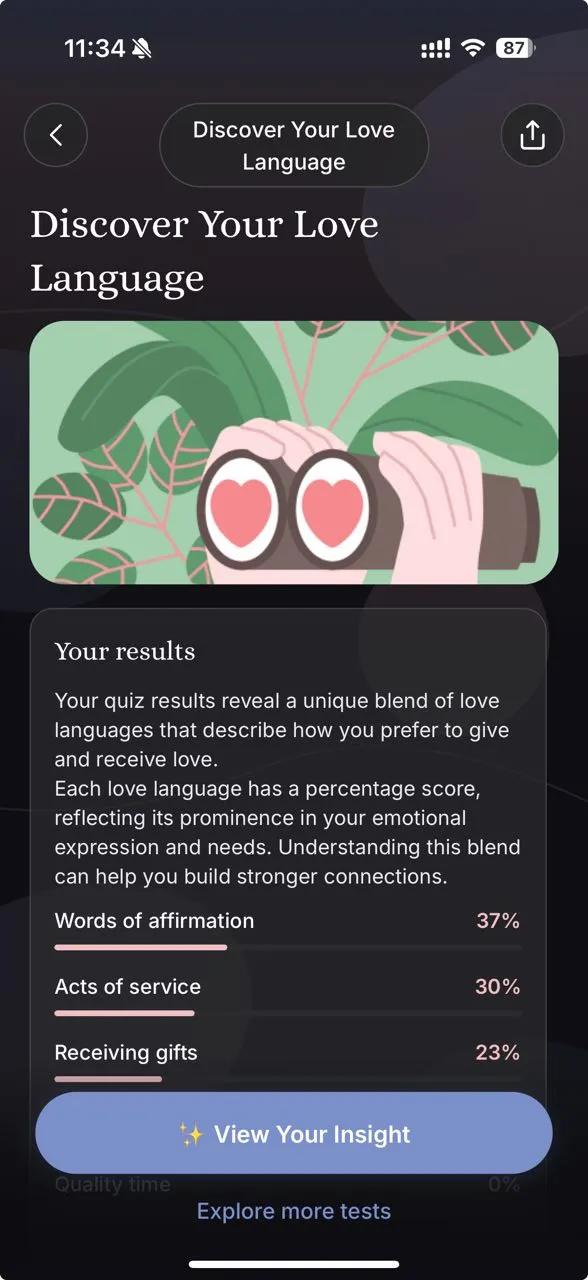
Learning how to improve emotional intimacy starts with understanding what creates it in the first place: self-disclosure and empathy. Partners need to feel comfortable enough to be honest about their wants, needs, and fears. They also need to trust that their partner will respond with openness rather than criticism. Research shows that couples who regularly engage in open, honest communication are more likely to experience higher relationship satisfaction and emotional intimacy. The Gottman Method, developed by Drs. John and Julie Gottman through decades of clinical research, offers one of the most evidence-backed frameworks for building this kind of connection.
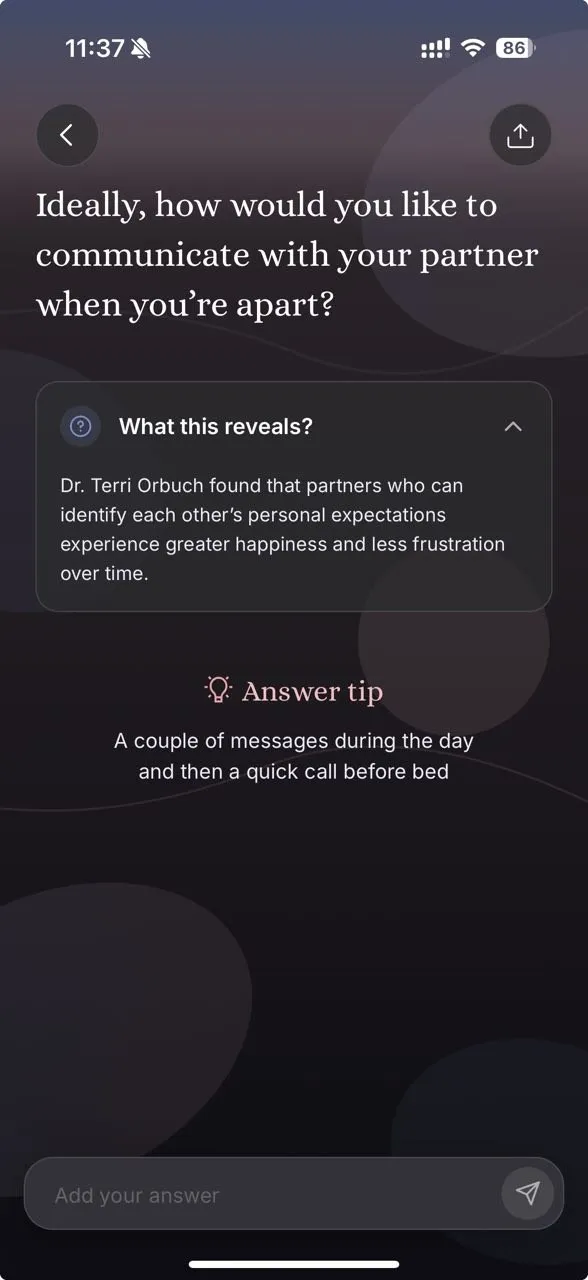
If you're wondering how to improve emotional intimacy in your own relationship, here are four practices that relationship science consistently supports. First, respond to your partner's bids for connection — those small, often subtle attempts to get your attention or share a moment. Second, ask intimacy questions for couples that go deeper than logistics: "What's something you've been afraid to tell me?" or "What do you need most from me right now?" Third, practice active listening without preparing your response while your partner is still talking. Fourth, create a daily ritual — even five minutes of undistracted conversation — that signals to both of you that the relationship is a priority.

For couples who want structured support, options range from working with a licensed intimacy counselor or therapist (Emotionally Focused Therapy, or EFT, has strong research backing for couples) to using guided apps that make daily practice easier to maintain. Cuddle is one option worth exploring — it offers daily questions, guided courses on emotional intimacy, and a Relationship Assistant that helps couples work through specific patterns and conflicts. Books like Hold Me Tight by Dr. Sue Johnson (the founder of EFT) are another well-regarded starting point for couples who prefer a self-directed approach.

When to Seek Intimacy Therapy
Sometimes self-directed practices aren't enough — and that's completely normal. Intimacy therapy, also called intimacy counseling, is a specialized form of couples work that addresses the emotional and psychological barriers that prevent genuine closeness. Common reasons couples seek it include patterns like "my wife never initiates intimacy" or "why doesn't my husband love me anymore" — feelings that often signal a deeper disconnection rather than a lack of care. A licensed therapist trained in EFT or the Gottman Method can help couples identify the underlying attachment patterns driving their distance and build new, more secure ways of relating.
Research confirms that couples therapy can significantly increase emotional intimacy — and the effects tend to be lasting when couples practice what they learn between sessions. If active crises are present — such as severe trust ruptures, untreated addiction, or domestic violence — working with a licensed clinician is the right first step. For couples navigating a rough patch or a slow drift, structured daily practices and guided tools can often bridge the gap effectively between sessions or after therapy ends.
In my view, the most underrated aspect of intimacy therapy isn't the breakthrough sessions — it's the maintenance work that follows. The couples who sustain their gains are the ones who build small, consistent rituals into their daily lives: a morning check-in, a weekly conversation about what each person needs, a shared commitment to noticing and responding to each other's bids for connection. The spirit of intimacy isn't something you achieve once. It's something you actively tend.
Want to Build Deeper Connection Daily?
Guided exercises, daily questions, and a Relationship Assistant — built for two.
Explore Cuddle Free for 7 DaysDisclosure: This page contains affiliate links. We may earn a commission at no extra cost to you.